
Free Confidential Consultation
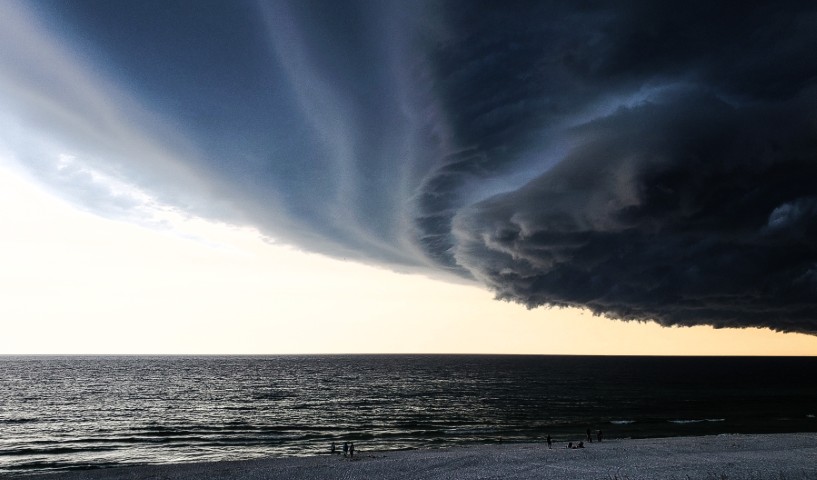
The 2025 Atlantic hurricane season ended on November 30, 2025. This year was unique because there were some very strong storms, but also many quiet weeks with little activity.
If you enjoy taking cruises on the Caribbean or Atlantic Ocean, it’s good to know what happened in the last Atlantic hurricane season to help you plan and stay safe on future trips. You can find information about last year’s season and what to expect during the 2026 Atlantic Hurricane Season.
The Atlantic hurricane season runs officially from June 1 to November 30 each year. These dates are recognized because they cover approximately 97% of all tropical cyclone activity in the Atlantic Basin, including the Atlantic Ocean, the Caribbean Sea, and the Gulf of Mexico.
Hurricanes grow under conditions involving warm ocean waters, high humidity, light winds, and atmospheric instability. During the summer and early fall, ocean temperatures in the Atlantic reach their warmest levels and give hurricanes their energy. That is why the peak of hurricane season is around September 10.
The Atlantic hurricane season, 2025, was very unusual. According to the National Oceanic and Atmospheric Administration (NOAA), there were 13 named storms, five hurricanes, and four major hurricanes. What made this season different was how strong some storms became. Three hurricanes reached Category 5, making 2025 only the second year ever to have that many. The only year with more was 2005.
The season also had some rare events. It was reported that no actual hurricanes hit the U.S. mainland, which hasn’t happened since 2015. Only tropical storm intensity events reached the mainland U.S. Tropical Storm Chantal hit North Carolina and caused some damage with tropical storm-force winds. The season started late as well. Tropical Storm Andrea formed on June 23, which was the latest start since 2014.
NOAA and its National Hurricane Center used artificial intelligence to predict when 2025’s first storm would happen, so people could get better warnings. While there were not many storms, the ones that formed were powerful and lasted a long time. This made the season’s accumulated cyclone energy (ACE) higher than normal.
The Atlantic hurricane season of 2025 had several storms, but a few were much stronger than the rest. Some of the major hurricanes of the 2025 season include:
Hurricane Erin was the first hurricane of 2025. It began on August 11 as a tropical wave near Cape Verde, off the coast of Africa. In just one day, Erin jumped from a Category 1 hurricane to a Category 5 hurricane with maximum sustained winds of 160 miles per hour, making it one of the fastest-growing storms ever seen in the Atlantic. While Erin stayed out in the ocean, it caused dangerous waves, strong rip currents, and storm surge from Florida along the east coast to New England.
Hurricane Humberto formed on September 24 in the central Atlantic and grew very quickly, becoming a Category 5 storm by September 27. Careful not to confuse it with the older Hurricane Humberto from 2019, which was weaker and only reached Category 3. Like Hurricane Erin, the 2025 Humberto stayed over open water the whole time, but it still created dangerous waves that hit much of the U.S.
Hurricane Imelda formed on September 27 between Cuba and the Bahamas as a tropical depression, or the earliest stage of a tropical storm. It was different because it was the only hurricane in 2025 that did not become a major hurricane, but it still caused serious problems. Before it reached hurricane strength, Imelda dropped heavy rain on Puerto Rico, Cuba, and the Dominican Republic, leading to deadly flooding where four men lost their lives.
Hurricane Melissa was the most damaging storm of the 2025 season and one of the strongest Atlantic hurricanes ever recorded. It formed in the Caribbean Sea as Tropical Storm Melissa on October 21 and quickly grew into a very powerful storm. On October 28, Melissa made landfall near New Hope, Jamaica, at full Category 5 strength. It became the strongest hurricane to hit Jamaica since records began in 1851. After leaving Jamaica, Melissa moved north and hit eastern Cuba at major hurricane status before dying out on the northeast of Bermuda on October 31.
While less severe than hurricanes, tropical storms have the potential to cause serious damage. Some tropical storms are actually more dangerous than full-force hurricanes due to where they develop and reach land. With an estimated total of around 15 tropical storms, some of the major tropical storm-strength events of 2025 included:
The 2026 Atlantic hurricane season is expected to run from June 1, 2026, to November 30, 2026. These are the same hurricane season dates that weather agencies and forecasters use yearly to predict storm activity, but it’s important to remember that the actual season may start later or earlier than those predicted dates. For example, as we detailed above, the 2025 season started in late rather than early June.
The peak of the 2026 season is expected to be from mid-August to mid-October, with the busiest time usually around September 10. Again, these dates can vary from year to year.
As of the earliest seasonal forecasts, there’s a predicted normal hurricane and tropical storm risk. The Tropical Storm Risk (TSR) extended-range forecast expects 14 named storms, 7 hurricanes, and 3 major hurricanes. The prediction also includes an anticipated Accumulated Cyclone Energy (ACE) index of 129. This is an estimation of the total expected storm activity, including tropical and subtropical storms.
Among the significant factors used by hurricane experts to predict seasonal storms are sea surface temperatures in the Atlantic Main Development Region and anticipated El Niño conditions. The forecasts made available by TSR, noted hurricane experts, and national meteorological services reflect weekly and monthly changes that help predict rough seas and weather activity.
Cruising during hurricane season is easier and safer when you know what to expect. Here are the most important things to keep in mind:
Storm Changes May Happen — Cruise ships can change routes, skip ports, or delay departure to stay away from storms. This change can end a trip early.
Expect Some Motion at Sea — Even when a storm is far away, the waves can still be stronger when storm events occur. You are more likely to experience seasickness, and your cruise ship will often rock more than usual.
Know Your Cruise Line’s Hurricane Policy — Before booking, read how the cruise line handles storms. Some offer credits or partial refunds if major changes happen.
Get Travel Insurance — Pick a plan that covers weather-related issues like delays, missed ports, or trip changes.
Pack Smart — Keep your medications, important items, and documents in your carry-on bag in case plans change.
Listen to Updates — Announcements from the captain and crew are the best sources of safety and schedule updates.
Cruise lines are expected to keep passengers safe during storms, but accidents can still happen. You might slip, get hit by falling objects, or need medical care while the ship is far from land. Cruise lines are responsible for injuries caused by their carelessness. Special legal rules called maritime law apply, and most tickets have time limits for filing claims.
If you get hurt, report it right away, get medical attention, and keep records of your injury. An experienced cruise ship accident lawyer can help you seek justice. They know the rules, can investigate if the cruise line was negligent, and work to get you whatever compensation you may deserve.
The storms of 2025 show how strong nature can be, but also how much modern weather forecasting helps keep people safe. Are you planning your next cruise? It’s important to know what to expect and how to stay safe. If you are injured during a storm, working with an experienced cruise ship accident lawyer like Louis A. Vucci P.A.can help you get whatever compensation you deserve.
Our firm fights for passengers’ rights and holds cruise lines responsible if they fail to keep people safe. Whether you need help understanding your rights, calculating compensation, proving liability, or taking legal action after an injury, Louis A. Vucci P.A. will guide you every step of the way.
Related Reading:
There are many things for which a passenger may make a claim, some of which include: